

Antifreeze poisoning in cats is a medical emergency that unfolds quickly, often before anyone realizes something is wrong. A cat may step through a small spill in a garage or driveway, lick residue from their paws during routine grooming, and ingest a substance that can cause severe internal damage within hours. This is one of the most serious toxic exposures we see in cats because even a small amount can be life-threatening. Understanding why antifreeze is dangerous, how symptoms appear, and what emergency care looks like gives cat owners a clearer picture of why rapid veterinary attention matters so much.
Why Antifreeze Is Toxic to Cats
Antifreeze poisoning in cats most often occurs due to exposure to products containing ethylene glycol. This chemical has a naturally sweet taste and smell, which increases the risk of accidental ingestion. Cats do not typically seek out antifreeze, but they can ingest it indirectly after walking through spills, drips, or residue and then grooming themselves. Once inside the body, ethylene glycol is rapidly absorbed and metabolized into compounds that cause widespread damage, particularly to the kidneys and nervous system.
The danger lies in how quickly the toxin acts. Within a short period of time, antifreeze disrupts normal metabolic processes and begins forming crystals that lodge in kidney tissue. These crystals interfere with blood flow and filtration, leading to acute kidney failure. By the time outward signs become obvious, significant internal injury may already be underway. This rapid progression is what makes antifreeze poisoning in cats so dangerous and unforgiving compared to many other toxic exposures.
How Cats Are Commonly Exposed
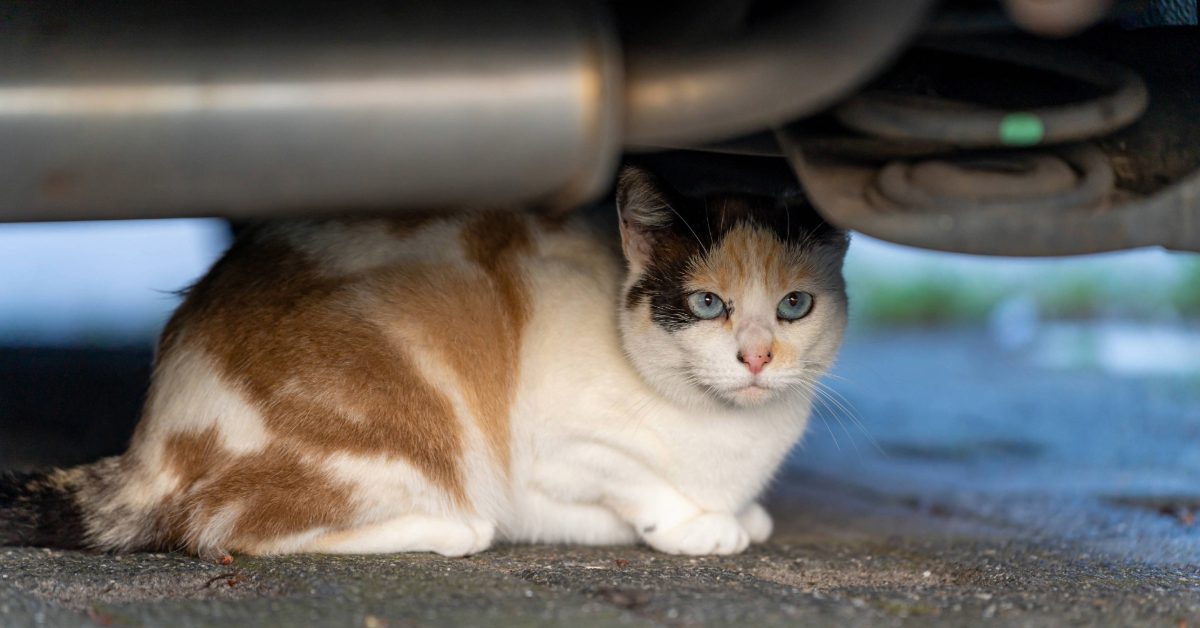
Although garages are a common source, antifreeze exposure is not limited to mechanical spaces. Driveways, parking lots, and even roadways can harbor antifreeze residue after vehicle maintenance or leaks. Outdoor cats and indoor cats with garage access face the highest risk, but any cat can be exposed if antifreeze is tracked indoors on shoes or tires. Because cats groom meticulously, even trace amounts can be enough to cause harm.
Symptoms of Antifreeze Poisoning in Cats
The symptoms of antifreeze poisoning in cats often develop in stages, which can make early recognition challenging. Initial signs may be subtle and resemble less serious issues, such as mild lethargy or disorientation. As the toxin continues to affect the body, symptoms become more severe and distressing. The timing of these signs is important because it helps determine how far the poisoning has progressed.
Early symptoms may include vomiting, drooling, or an unsteady gait. Some cats appear unusually quiet or withdrawn, while others may seem restless or confused. As hours pass, neurological signs can intensify, and cats may show weakness, tremors, or difficulty standing. In later stages, kidney failure develops, leading to decreased urine production, dehydration, and significant discomfort.
Common signs associated with antifreeze poisoning in cats include:
- Vomiting, nausea, or excessive drooling
- Lethargy, weakness, or sudden behavioral changes
- Loss of coordination or difficulty walking
- Increased thirst followed by reduced urine output
- Rapid breathing or signs of distress as organ failure progresses
Because cats instinctively hide illness, these symptoms may be easy to miss at first. Any suspicion of antifreeze exposure warrants immediate evaluation, even if signs seem mild or vague.
Emergency Veterinary Care for Antifreeze Poisoning
When antifreeze poisoning in cats is suspected, emergency veterinary care is the next and most important step. Time plays a defining role in outcomes, as treatment is most effective before extensive kidney damage occurs. In an emergency setting, the veterinary team focuses on confirming exposure, stabilizing the cat, and limiting further toxin absorption and damage. This process requires specialized equipment, advanced diagnostics, and continuous monitoring.
Emergency evaluation often includes bloodwork to assess kidney function and metabolic changes, along with urine testing to look for characteristic crystal formation. Imaging may be used to evaluate kidney structure and overall organ health. Once a diagnosis is suspected or confirmed, treatment begins immediately. Cats are hospitalized so that fluids, medications, and supportive therapies can be administered under close supervision.
What Emergency Treatment Typically Involves
While each case is unique, emergency care for antifreeze poisoning in cats generally centers on aggressive supportive treatment. Intravenous fluids help maintain hydration and support kidney function, while medications may be used to slow toxin metabolism and address secondary complications. Continuous monitoring allows the veterinary team to respond quickly to changes in blood values, urine output, or neurological status. This level of care is why antifreeze exposure should always be handled in a specialty or emergency setting equipped for intensive treatment.
If you are concerned about possible antifreeze exposure, contacting Fetch Specialty & Emergency Veterinary Centers promptly allows our teams to prepare for immediate evaluation and care. Early intervention offers the best chance for stabilization and recovery.
Preventing Antifreeze Poisoning
Prevention remains the most effective way to protect cats from antifreeze poisoning. Because exposure often occurs accidentally, awareness and environmental management make a meaningful difference. Simple habits around vehicle maintenance and household safety can significantly reduce risk. From our experience, many exposures happen when antifreeze spills go unnoticed or are assumed to be harmless once dried.
Steps that help reduce the risk of antifreeze poisoning in cats include:
- Storing antifreeze containers securely and away from pet access
- Cleaning spills promptly and thoroughly, even small drips or puddles
- Limiting cat access to garages, driveways, and maintenance areas
- Choosing pet-safer antifreeze formulations when available
These measures help minimize the chance that a cat encounters antifreeze in the first place. Prevention also includes being mindful of shared spaces, such as apartment parking areas or communal garages, where exposure risks may be less obvious.
Time Is Crucial
Antifreeze poisoning in cats progresses faster than many pet owners expect, which is why delays in care can have serious consequences. Once kidney injury becomes advanced, treatment options become more limited and outcomes more uncertain. Rapid assessment and hospitalization often make the difference between stabilization and irreversible damage. Acting quickly does not guarantee recovery, but it does preserve the widest range of treatment possibilities.
Cats exposed to antifreeze often require ongoing monitoring even after the initial emergency phase. Kidney function, hydration status, and overall comfort need close observation as the body responds to treatment. This extended care is another reason why emergency and specialty hospitals play a central role in managing these cases.
A Silent Threat Worth Taking Seriously
Antifreeze poisoning in cats is a quiet but devastating emergency that leaves little room for hesitation. What starts as an unnoticed exposure can escalate into a critical situation within hours, placing vital organs at risk. Recognizing the dangers, understanding the symptoms, and knowing when to seek emergency veterinary care empowers cat owners to act decisively. If you ever suspect exposure, contacting the Fetch Specialty & Emergency Veterinary Center nearest you right away ensures your cat receives timely evaluation and the highest level of care available.
About Us
Fetch Specialty & Emergency Veterinary Centers is a family-owned practice providing elevated specialty care, emergency medicine, and critical care in three convenient locations throughout Florida and South Carolina. Our board-certified veterinarians and highly skilled support staff all share a deep appreciation for pets, people, and the human-animal bond. We recognize how much you love your pet as a part of your family, and that’s why we love what we do!