

Some diagnoses arrive suddenly, while others take shape slowly, over weeks or months of small, easy-to-dismiss changes. Cat lymphoma often falls into the second category. A cat may eat a little less, lose weight gradually, or seem “off” without appearing truly ill. Lymphoma is not a single disease but a group of cancers that affect lymphocytes, the cells responsible for immune defense. Because these cells travel throughout the body, cat lymphoma can develop almost anywhere, which explains why the symptoms, timeline, and outlook vary so widely from one patient to the next. Understanding how this disease works helps pet owners recognize when further evaluation may be needed and what questions to ask as they move forward.
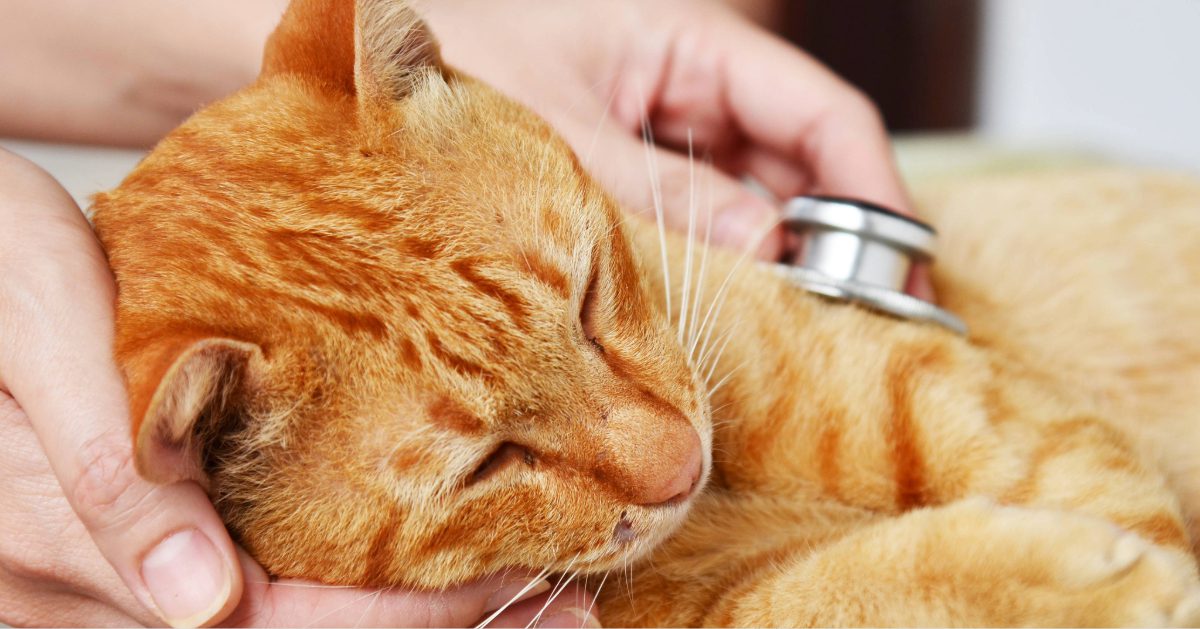
What Is Cat Lymphoma?
Cat lymphoma is a cancer of the lymphatic system, which includes lymph nodes, lymphatic vessels, the spleen, bone marrow, and immune tissue found in organs such as the intestines and lungs. Lymphocytes normally help cats fight infection, but when these cells begin dividing abnormally, they can form cancerous populations that disrupt normal organ function. Unlike cancers that originate in a single mass, lymphoma often involves diffuse tissue, making it less obvious in early stages.
Veterinarians classify cat lymphoma in several ways. One method focuses on anatomic location, such as gastrointestinal, mediastinal (chest), renal (kidneys), nasal, or multicentric lymphoma. Another classification looks at cell grade, describing the cancer as low-grade or high-grade based on how aggressive the cells appear under microscopic evaluation. These distinctions matter because they influence how the disease behaves and how it is typically managed. Modern veterinary oncology places strong emphasis on accurate classification so treatment discussions reflect the realities of each individual case rather than assumptions.
Common Symptoms of Cat Lymphoma
Symptoms of cat lymphoma can be wide-ranging, and many overlap with non-cancerous conditions. This overlap often delays diagnosis, particularly in cats that remain active or interactive despite underlying disease. The pattern, persistence, and progression of symptoms often provide more insight than any single sign.
Some commonly reported changes associated with cat lymphoma include:
- Unintentional weight loss over time
- Decreased appetite or inconsistent eating
- Reduced activity level or increased sleeping
- Enlarged lymph nodes that feel firm or non-painful
Not every cat shows all of these signs, and some may show none early on. Because lymphoma can involve different organ systems, additional symptoms often depend on where the disease is located.
Location-Specific Symptoms
When lymphoma affects the gastrointestinal tract, cats may experience chronic vomiting, diarrhea, or changes in stool consistency. Appetite may fluctuate, and weight loss can continue even when food intake appears normal. These signs are frequently mistaken for inflammatory bowel disease or food sensitivity, which is why further diagnostics are often required.
Cats with mediastinal lymphoma may develop respiratory changes such as labored breathing or decreased tolerance for activity due to fluid or mass effects in the chest cavity. Renal lymphoma can present with increased thirst, changes in urination, or declining kidney function on lab work. Nasal lymphoma may cause sneezing, nasal discharge, or facial asymmetry. Recognizing that cat lymphoma does not follow a single symptom pattern helps explain why evaluation often involves multiple diagnostic steps.
How Lymphoma Is Diagnosed in Cats
Diagnosing cat lymphoma requires careful investigation rather than reliance on symptoms alone. Veterinary teams begin by gathering a detailed history and performing a thorough physical examination, paying close attention to lymph nodes, abdominal organs, hydration status, and body condition. From there, diagnostic testing helps identify abnormalities that may point toward lymphoma.
Bloodwork often provides the first layer of information. Changes in red or white blood cell counts, kidney or liver values, or protein levels can suggest systemic disease. Imaging studies such as ultrasound or radiographs allow veterinarians to visualize internal organs and identify thickened intestinal walls, enlarged lymph nodes, or masses that warrant further evaluation. These tools help determine whether lymphoma is a concern and where to focus additional testing.
Tissue Sampling and Diagnostic Confirmation
A definitive diagnosis of cat lymphoma typically requires tissue sampling. Depending on the suspected location, this may involve fine-needle aspiration, endoscopic biopsy, or surgical biopsy. Samples are examined by a veterinary pathologist, who evaluates cell type, grade, and distribution. This information confirms the presence of lymphoma and helps differentiate it from other inflammatory or infectious conditions.
Advanced testing may be recommended in certain cases to further characterize the cancer. Techniques such as immunophenotyping or molecular diagnostics can identify whether lymphoma cells originate from B-cells or T-cells, which can influence prognosis discussions. At specialty hospitals like Fetch Specialty & Emergency Veterinary Centers, these diagnostics are often coordinated by teams with access to advanced imaging, pathology services, and oncology expertise, allowing for a more complete picture of the disease.
Treatment Options and Outlook
Treatment planning for cat lymphoma depends on multiple factors, including lymphoma type, grade, location, and the cat’s overall health status. Veterinary teams focus on balancing disease control with quality of life, recognizing that cats often respond differently to treatment than other species. Many tolerate therapy better than expected when plans are individualized and adjusted over time.
Common management approaches for cat lymphoma may include:
- Chemotherapy protocols designed for feline patients
- Steroid therapy as part of a broader treatment plan
- Supportive care aimed at maintaining hydration, nutrition, and comfort
The expected outlook varies significantly. Cats with low-grade intestinal lymphoma may experience prolonged periods of stability, sometimes measured in years, with appropriate management. High-grade lymphoma often progresses more quickly but may still respond well to treatment initially. Early diagnosis and accurate classification play a meaningful role in shaping these outcomes, which is why timely referral and advanced diagnostics are often recommended.
Life at Home During Treatment
Daily care at home remains an important part of the overall picture. Veterinary teams often discuss practical considerations such as maintaining consistent feeding routines, minimizing stressors, and monitoring for changes in appetite, energy level, or litter box habits. These measures do not replace medical care, but they support a cat’s comfort and help caregivers notice changes that may need attention.
Ongoing communication between pet owners and the veterinary team allows treatment plans to evolve as needed. Adjustments are common and expected, particularly as cats respond differently over time. Understanding that cat lymphoma management is a dynamic process helps set realistic expectations and encourages proactive follow-up.
Understanding the Road Ahead
A diagnosis of cat lymphoma introduces uncertainty, but it also opens the door to informed decision-making. With thoughtful diagnostics, individualized treatment planning, and clear communication, many cats continue to enjoy meaningful quality of life after diagnosis. If you are noticing changes or have questions about possible next steps, the team at Fetch Specialty & Emergency Veterinary Centers can provide advanced evaluation and guidance. Calling to schedule an appointment is an important step toward clarity and informed care.
About Us
Fetch Specialty & Emergency Veterinary Centers is a family-owned practice providing elevated specialty care, emergency medicine, and critical care in three convenient locations throughout Florida and South Carolina. Our board-certified veterinarians and highly skilled support staff all share a deep appreciation for pets, people, and the human-animal bond. We recognize how much you love your pet as a part of your family, and that’s why we love what we do!