

If your dog ate rat poison, the situation can change from calm to frightening in minutes. Many rodenticides are designed to kill quietly and efficiently, which makes them especially dangerous for dogs who may show few signs at first. This scenario represents a time-sensitive exposure that requires fast, informed action. Knowing what steps to take right away — and what happens once your dog reaches a veterinary hospital — can make a meaningful difference in outcomes.
Dogs encounter rat poison more often than many people realize. Some ingest bait blocks directly, while others are exposed after catching rodents that consumed poison. Because products vary widely in how they affect the body, treatment decisions depend on the specific toxin involved, how much was eaten, and how quickly care begins.
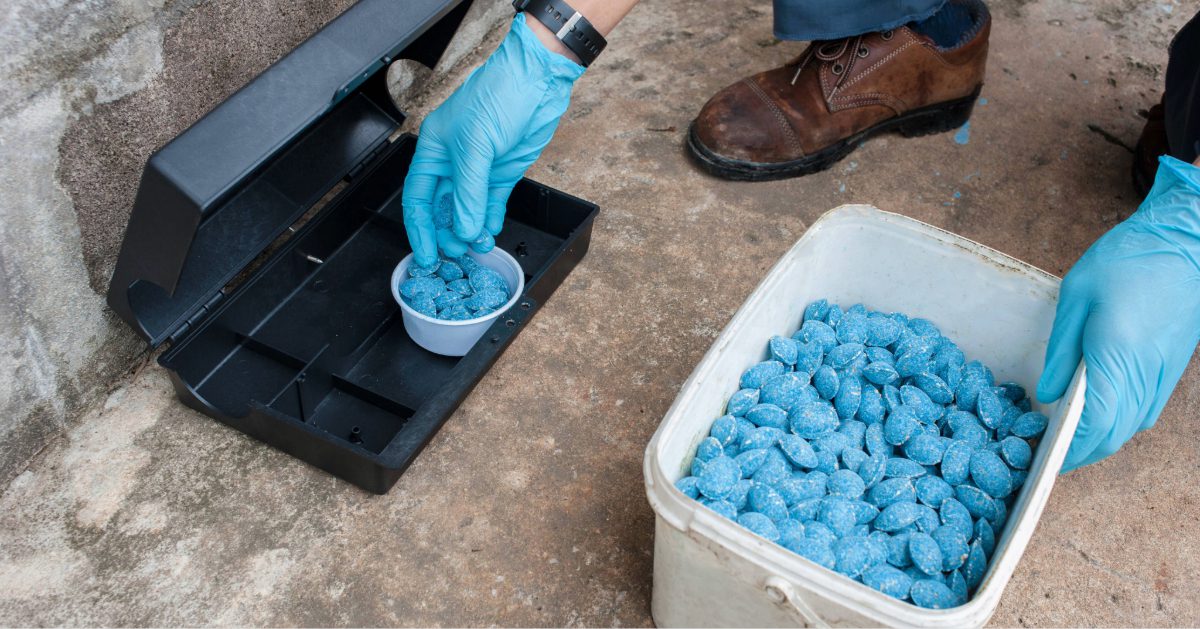
What to Do If Your Dog Ate Rat Poison
If you believe your dog ate rat poison, quick action matters. We encourage pet owners to focus on gathering information and seeking veterinary care rather than waiting for symptoms to appear. Many rodenticides delay visible signs while causing serious internal damage, which is why early intervention is often far more effective than waiting.
Start by securing the packaging if possible. The product name, active ingredient, and concentration provide critical clues that guide treatment decisions. If the packaging is unavailable, note where the exposure may have occurred and when you last saw your dog behaving normally. Even estimates can help us assess risk.
While waiting for veterinary care, avoid home remedies that could worsen the situation. Inducing vomiting without guidance or giving human medications may increase complications. Instead, concentrate on keeping your dog safe and calm, and transport them to a veterinary facility as quickly as possible.
Immediate steps to take include:
- Removing any remaining bait or packaging from your dog’s reach
- Preventing access to areas where rodents or bait may still be present
- Calling a veterinary emergency center for instructions and next steps
Is This a Veterinary Emergency?
If your dog ate rat poison, we treat the situation as a veterinary emergency until proven otherwise. Many rodenticides interfere with blood clotting, damage the nervous system, or cause severe organ failure. In several cases, dogs appear normal for hours or even days before life-threatening signs develop.
The urgency also depends on the type of poison involved. Anticoagulant rodenticides can cause internal bleeding that remains hidden until it becomes severe. Neurotoxic poisons may lead to tremors or seizures with little warning. Some products damage the kidneys or liver, creating delayed complications that require intensive monitoring.
Certain factors increase the level of concern and urgency:
- Unknown type or amount of poison ingested
- Puppies, senior dogs, or dogs with pre-existing health conditions
- Any delay between exposure and veterinary evaluation
Because the risks vary so widely, we always recommend erring on the side of caution. Calling Fetch Specialty & Emergency Veterinary Centers promptly allows our teams to assess urgency, prepare for your arrival, and begin time-sensitive care.
How Vets Treat Rat Poison Ingestion in Dogs
Veterinary treatment for rat poison ingestion focuses on limiting absorption, identifying the toxin involved, and managing the specific effects it has on the body. Our approach combines emergency stabilization, diagnostic testing, and ongoing monitoring tailored to each case. No two exposures are exactly alike, which is why individualized care matters.
Identifying the Type of Rat Poison
The first step in treatment involves determining what kind of poison your dog encountered. Different rodenticides act on different systems, and treatment protocols vary significantly. Product labels, bait samples, and exposure history all contribute to this assessment.
Once we identify or strongly suspect a category of poison, we can anticipate which complications may develop. This guides everything from diagnostic testing to hospitalization decisions. When the type remains unknown, we proceed cautiously and monitor for multiple potential effects.
Decontamination and Early Care
If your dog arrives shortly after ingestion, we may focus on reducing further absorption of the toxin. This process depends on timing, your dog’s condition, and the specific poison involved. Early care often includes supportive measures designed to stabilize vital functions and prepare for additional treatment.
During this phase, our teams closely observe heart rate, breathing, neurologic status, and comfort level. These observations help determine whether more intensive interventions are needed right away or if monitoring is appropriate.
Monitoring and Targeted Treatment
As treatment continues, our focus shifts to preventing or managing complications caused by the poison. This often involves bloodwork, imaging, and repeated assessments over several days. Some rodenticides require prolonged monitoring because their effects unfold slowly.
Targeted treatment plans may include:
- Managing internal bleeding risks through diagnostic testing and monitoring
- Addressing neurologic symptoms such as tremors or disorientation
- Supporting organ function when toxins affect the liver or kidneys
In many cases, dogs need hospitalization so we can respond quickly if their condition changes. Continuous observation allows us to adjust care in real time and improve safety during recovery.
Recovery and Follow-Up Care
Recovery after a dog ate rat poison depends on the toxin involved, how quickly treatment began, and how the dog responds to care. Some dogs recover fully with prompt intervention, while others require extended monitoring or follow-up visits. Our goal is always to reduce long-term complications and help dogs return to normal routines safely.
Discharge plans typically include guidance on activity levels, monitoring for delayed signs, and follow-up testing when needed. Even after discharge, ongoing communication between pet owners and the veterinary team remains important. Delayed effects can occur with certain poisons, which is why follow-up care plays a key role in long-term outcomes.
Why Prompt Vet Care Is Crucial
Rat poison exposures highlight how quickly everyday hazards can turn serious for dogs. Early veterinary involvement allows us to intervene before irreversible damage occurs. From an emergency medicine standpoint, timing often determines whether treatment remains straightforward or becomes complex.
At Fetch Specialty & Emergency Veterinary Centers, our teams combine emergency expertise, advanced diagnostics, and around-the-clock care. This integrated approach allows us to manage both immediate risks and delayed complications under one roof. If your dog ate rat poison or you suspect possible exposure, calling for an appointment or emergency evaluation gives your dog the best chance for a positive outcome.
When Every Minute Counts: Acting Fast After Exposure
Situations involving rat poison rarely offer certainty in the early stages, which makes fast decision-making essential. Waiting for symptoms can allow toxins to progress unnoticed, while early evaluation opens the door to more treatment options. Trusting your instincts and seeking care promptly can change the course of recovery.
If you believe your dog ate rat poison, contact Fetch Specialty & Emergency Veterinary Centers right away to schedule an emergency evaluation or appointment. Acting quickly places your dog in the hands of veterinary teams equipped to respond when timing matters most.
About Us
Fetch Specialty & Emergency Veterinary Centers is a family-owned practice providing elevated specialty care, emergency medicine, and critical care in three convenient locations throughout Florida and South Carolina. Our board-certified veterinarians and highly skilled support staff all share a deep appreciation for pets, people, and the human-animal bond. We recognize how much you love your pet as a part of your family, and that’s why we love what we do!