

A dog snake bite timeline describes how a dog’s body may respond in the minutes, hours, and days after a snake bite, and why timing matters so much. One moment, a dog may be exploring the yard or trail, and the next, they let out a yelp. Swelling starts, pain sets in, or behavior suddenly changes. Understanding the sequence of events that occur after a dog has been bitten by a snake helps pet owners recognize early warning signs, respond appropriately, and seek care before complications escalate. At Fetch Specialty & Emergency Veterinary Centers, we see firsthand how quickly snake bite symptoms can progress and why prompt evaluation plays such an important role in outcomes.
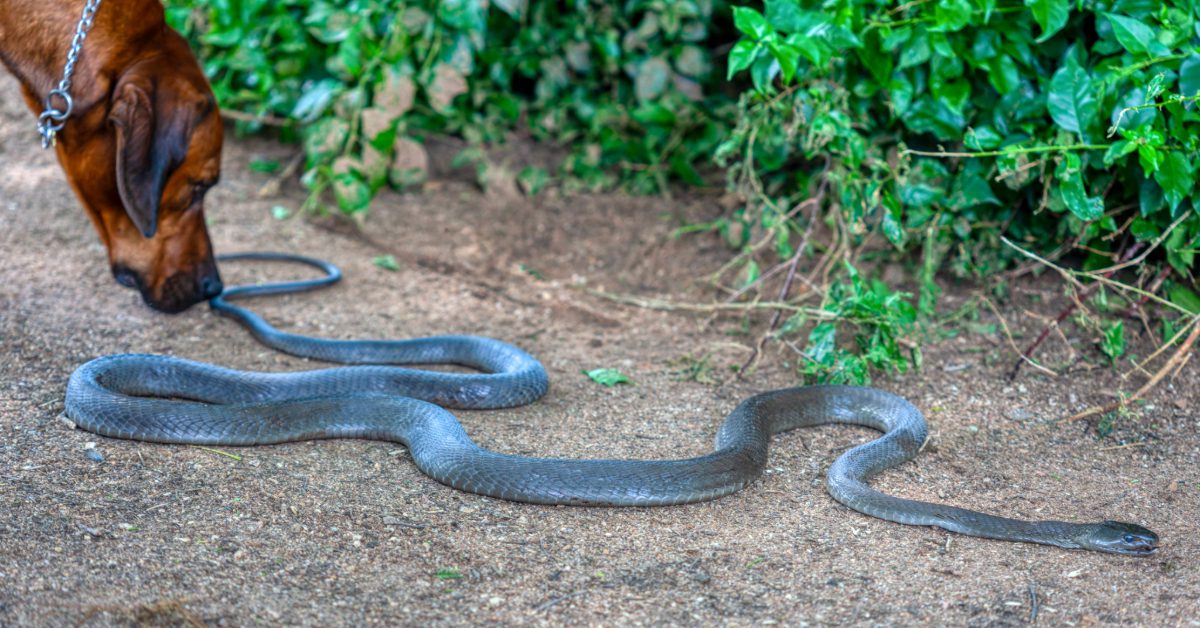
Dog Snake Bite Symptoms
Symptoms often follow a predictable pattern, which is why the dog snake bite timeline is such a useful framework. In many cases, the first signs appear within minutes to an hour after the bite, though some reactions unfold more slowly depending on the type of snake, the amount of venom injected, and the dog’s size and health. Early symptoms frequently include sudden yelping, limping, or intense focus on a specific body part, especially the face or a limb. Dogs may seem restless, anxious, or unusually quiet as pain and inflammation begin to develop.
As time passes, swelling often becomes more noticeable and may spread beyond the bite area. Bruising, warmth, and sensitivity to touch can develop, and some dogs begin to drool or pant more than usual. In the next several hours, systemic signs may appear, such as lethargy, weakness, vomiting, or pale gums. These changes reflect how venom can affect circulation, blood clotting, and tissue integrity. Because symptoms can evolve quickly, even dogs that appear stable at first still need close monitoring by a veterinary team.
Common symptoms seen after a dog has been bitten by a snake include:
- Rapid swelling around the face, muzzle, or limb
- Pain, limping, or reluctance to move
- Lethargy or sudden behavioral changes
- Drooling, vomiting, or signs of nausea
- Changes in gum color or breathing effort
Each dog’s timeline looks a little different, which is why professional evaluation is so important when a snake bite is suspected.
What Does a Snake Bite Look Like on a Dog?
Visual clues can offer helpful context, but they do not always tell the full story. In the earliest stage of the dog snake bite timeline, the bite itself may be difficult to find, especially under thick fur. Some bites leave behind two small puncture marks, while others may show only a single puncture or an area of redness. Swelling often develops quickly, sometimes within 30 minutes, and may distort normal facial features or cause a limb to appear puffy and painful.
Over the next several hours, the appearance of the bite area can change significantly. Skin may darken or bruise as local tissue reacts to venom, and fluid buildup may continue to spread. In some cases, oozing or blistering develops near the puncture site, while in others, the skin remains intact but tense and inflamed. These visual changes help illustrate why snake bites are not always obvious at first glance.
Why Bite Appearance Can Be Misleading
The way a snake bite looks does not always correlate with how severe it is. Some dogs with minimal swelling experience significant internal effects, while others show dramatic swelling but fewer systemic signs. Dry bites — where no venom is injected — can still cause pain and localized inflammation, making it hard to determine severity based on appearance alone. Because of this variability, veterinarians rely on a combination of physical findings, symptom progression, and diagnostic monitoring rather than appearance alone.
Dog Snake Bite Treatment
Treatment focuses on managing the effects of venom and supporting the body as it responds over time. From a timeline perspective, the first few hours after a bite are often the most critical. Veterinary teams prioritize stabilizing circulation, monitoring breathing, and assessing the extent of swelling and tissue damage. In some cases, antivenom may be considered, while in others, supportive care and close observation guide the approach.
As the dog snake bite timeline progresses into the next 12 to 24 hours, ongoing monitoring becomes essential. Swelling may peak during this window, and bloodwork can reveal changes related to clotting or organ function. Pain management, fluid support, and wound care are commonly part of treatment plans, tailored to each dog’s needs. Veterinary teams also watch closely for delayed reactions, which can occur even after initial symptoms seem to improve.
What Pet Owners Can Do Immediately After a Bite
After a suspected bite, keep your dog calm and limit movement to help slow the spread of venom through the body. Remove collars or harnesses near the bite area to help prevent constriction as swelling develops. Avoid home remedies or attempts to extract venom, as these actions can cause more harm than good. The most impactful next step is prompt transport to an emergency or specialty veterinary hospital.
Understanding the Timeline From Bite to Recovery
Recovery timelines vary widely, but most dogs show the greatest changes within the first 24 to 48 hours. During this phase, veterinary teams reassess swelling, pain levels, and laboratory values to ensure the dog remains stable. Some dogs improve steadily after initial treatment, while others require extended hospitalization for monitoring and supportive care. Healing of the bite site itself may take days to weeks, depending on tissue involvement.
Longer-term recovery focuses on restoring comfort and mobility while watching for complications such as infection or delayed tissue damage. Follow-up visits allow veterinarians to track progress and adjust care as needed. Understanding this broader dog snake bite timeline helps pet owners set realistic expectations and recognize why ongoing veterinary involvement matters even after the initial emergency has passed.
Why Prompt Care Changes the Outcome
Time plays a central role in how a dog responds to a snake bite. Early intervention allows veterinarians to address swelling, pain, and systemic effects before they escalate. Delays can lead to more severe tissue damage, prolonged recovery, or additional complications. From an emergency medicine perspective, the dog snake bite timeline reinforces a simple truth: earlier evaluation often leads to smoother recovery paths.
If you suspect your dog has been bitten by a snake or is showing sudden swelling and pain after being outdoors, contacting a veterinary emergency team right away is essential. The clinicians at Fetch Specialty & Emergency Veterinary Centers are equipped to evaluate suspected snake bites, monitor progression, and guide care based on each dog’s unique presentation. Calling ahead allows the team to prepare for your arrival and begin care without delay.
The Importance of Timing
A snake bite is never just a single moment; it is a process that unfolds over time. Understanding the dog snake bite timeline helps pet owners recognize early warning signs, appreciate why symptoms change, and act decisively when care is needed. With prompt veterinary attention and appropriate monitoring, many dogs recover well after a bite. When seconds and hours count, knowing what to watch for and when to call can make all the difference.
About Us
Fetch Specialty & Emergency Veterinary Centers is a family-owned practice providing elevated specialty care, emergency medicine, and critical care in three convenient locations throughout Florida and South Carolina. Our board-certified veterinarians and highly skilled support staff all share a deep appreciation for pets, people, and the human-animal bond. We recognize how much you love your pet as a part of your family, and that’s why we love what we do!