

Bloat is one of those words that makes many dog owners pause, especially if they share their lives with a large or deep-chested breed. Bloat can escalate quickly, often without much warning, and the outcomes can be serious. Gastropexy is one of the most effective tools we have to reduce the risk of life-threatening complications associated with this condition. When pet owners ask how gastropexy can prevent bloat in dogs, we explain that this procedure is designed to stop the stomach from twisting, which is the most dangerous part of bloat. For many families, learning about this option brings peace of mind and helps them make informed decisions about long-term care.
What Is Gastropexy?
Gastropexy is a surgical procedure that permanently attaches the stomach to the body wall. This attachment prevents the stomach from rotating or flipping into an abnormal position. When we talk about how gastropexy can prevent bloat in dogs, it is important to clarify that the procedure does not prevent gas from building up in the stomach. Instead, it prevents the stomach from twisting, which is what turns bloat into a life-threatening emergency.
In dogs that develop gastric dilatation-volvulus (GDV), the stomach fills with gas and then rotates. This rotation traps gas inside, cuts off blood flow, and places extreme stress on surrounding organs. Gastropexy stabilizes the stomach so that, even if gas accumulation occurs, the stomach cannot twist. This dramatically reduces the risk of shock, organ damage, and sudden decline.
Gastropexy can be performed as a preventive procedure or as part of emergency surgery if a dog already presents with GDV. Many specialty and emergency hospitals recommend preventive gastropexy for dogs known to be at higher risk, particularly when they are already undergoing another abdominal surgery.
How Gastropexy Prevents Bloat in Dogs
To understand how gastropexy can prevent bloat in dogs, it helps to separate the two components of the condition. Bloat begins with gastric dilatation, which is the buildup of gas and fluid in the stomach. The more dangerous stage occurs when the stomach twists, leading to volvulus. Gastropexy directly addresses this second stage.
By securing the stomach in place, gastropexy prevents it from rotating. This means that even if a dog experiences gas buildup, the stomach remains in its normal position. Blood flow is maintained, pressure on other organs is reduced, and the risk of sudden collapse drops significantly. In many cases, this difference can be lifesaving.
From a long-term perspective, gastropexy changes the risk profile for dogs prone to GDV. While it does not eliminate all digestive concerns, it greatly reduces the likelihood of a catastrophic emergency related to stomach torsion. For families who worry about overnight emergencies or rapid declines, this procedure can offer reassurance.
Factors That Contribute to Bloat Risk
Several factors increase a dog’s risk of developing GDV, which is why prevention is often discussed proactively.
These factors may include:
- Deep-chested body structure
- Large or giant breed size
- Family history of bloat
- Rapid eating or heavy activity after meals
Gastropexy is often considered when these risk factors overlap, especially in dogs expected to live many active years ahead.
Which Dogs Benefit from Gastropexy?
Not every dog needs a gastropexy, but certain breeds and body types are consistently associated with higher risk. When pet owners ask how gastropexy can prevent bloat in dogs, we often focus the conversation on whether their dog falls into a higher-risk category.
Large and giant breeds with deep chests are the most common candidates. These dogs have more room for the stomach to move within the abdomen, which increases the likelihood of rotation. Dogs with close relatives that experienced GDV may also benefit from preventive surgery, even if they have not shown symptoms themselves.
Gastropexy is frequently recommended during other planned procedures, such as spay or neuter surgeries in large-breed dogs. Combining procedures reduces the need for multiple anesthetic events and allows dogs to recover from everything at once. This approach is especially common in specialty settings where advanced surgical options are available.
Common Breeds Considered for Preventive Gastropexy
While any dog can develop bloat, some breeds are more commonly discussed in preventive planning.
These often include:
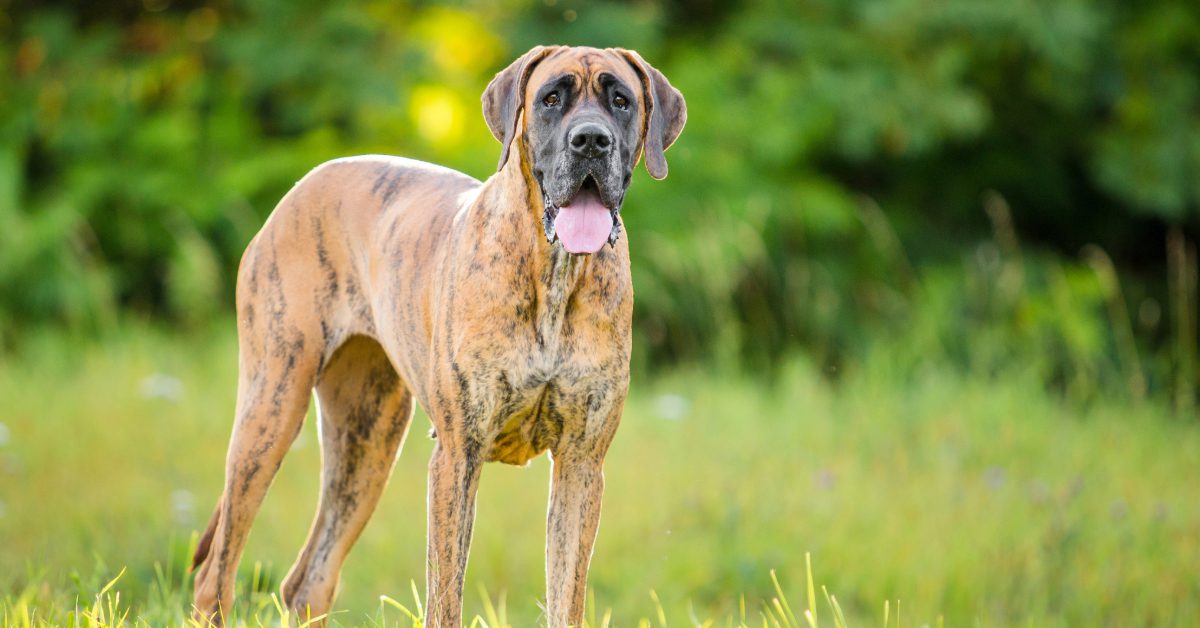
- Great Danes
- German Shepherds
- Standard Poodles
- Weimaraners
- Doberman Pinschers
Breed alone does not determine risk, but it often guides the initial conversation about whether gastropexy may be appropriate.
When Gastropexy Is Commonly Performed
Timing matters when discussing how gastropexy can prevent bloat in dogs. This procedure is often performed proactively, before a dog ever shows signs of bloat, particularly in breeds with known risk factors. Many veterinarians recommend considering gastropexy during another planned abdominal surgery, such as a spay or neuter, to reduce overall anesthesia exposure. In emergency settings, gastropexy may also be performed after a dog experiences GDV to reduce the risk of recurrence. Understanding when gastropexy is typically performed helps pet owners view it as a preventive strategy rather than a last-resort intervention.
Recovery and Aftercare
Recovery after gastropexy depends on the surgical approach and whether the procedure was preventive or performed during an emergency. In preventive cases, recovery is typically smoother and more predictable. Dogs usually return home within a short period and gradually resume normal routines.
During the initial recovery phase, activity is limited to allow the surgical site to heal properly. Leash walks replace running or jumping, and rest is encouraged. Mild swelling or tenderness near the incision site can be expected, and most dogs adjust quickly to temporary restrictions.
At home, owners often focus on maintaining consistent feeding routines and monitoring their dog’s comfort level. Creating a calm environment and following post-operative instructions supports a smooth recovery. Over time, most dogs return to their normal energy levels with no long-term changes in appetite or behavior.
It is also important to understand that gastropexy is a preventive measure, not a cure-all. Dogs can still experience digestive upset or gas, but the risk of a life-threatening stomach twist is significantly reduced. This is why many families feel that learning how gastropexy can prevent bloat in dogs helps them make confident decisions about future care.
A Proactive Step Toward Long-Term Safety
Gastropexy plays a meaningful role in reducing the dangers associated with bloat, especially for dogs with known risk factors. By preventing stomach rotation, this procedure addresses the most critical aspect of GDV and can dramatically improve outcomes. For pet owners weighing preventive options, understanding how gastropexy can prevent bloat in dogs often brings clarity and reassurance.
If you have questions about gastropexy or want to discuss whether this procedure may be appropriate for your dog, the team at Fetch Specialty & Emergency Veterinary Centers is here to help. Call to schedule an appointment and start a conversation focused on your dog’s long-term health and safety.
About Us
Fetch Specialty & Emergency Veterinary Centers is a family-owned practice providing elevated specialty care, emergency medicine, and critical care in three convenient locations throughout Florida and South Carolina. Our board-certified veterinarians and highly skilled support staff all share a deep appreciation for pets, people, and the human-animal bond. We recognize how much you love your pet as a part of your family, and that’s why we love what we do!