

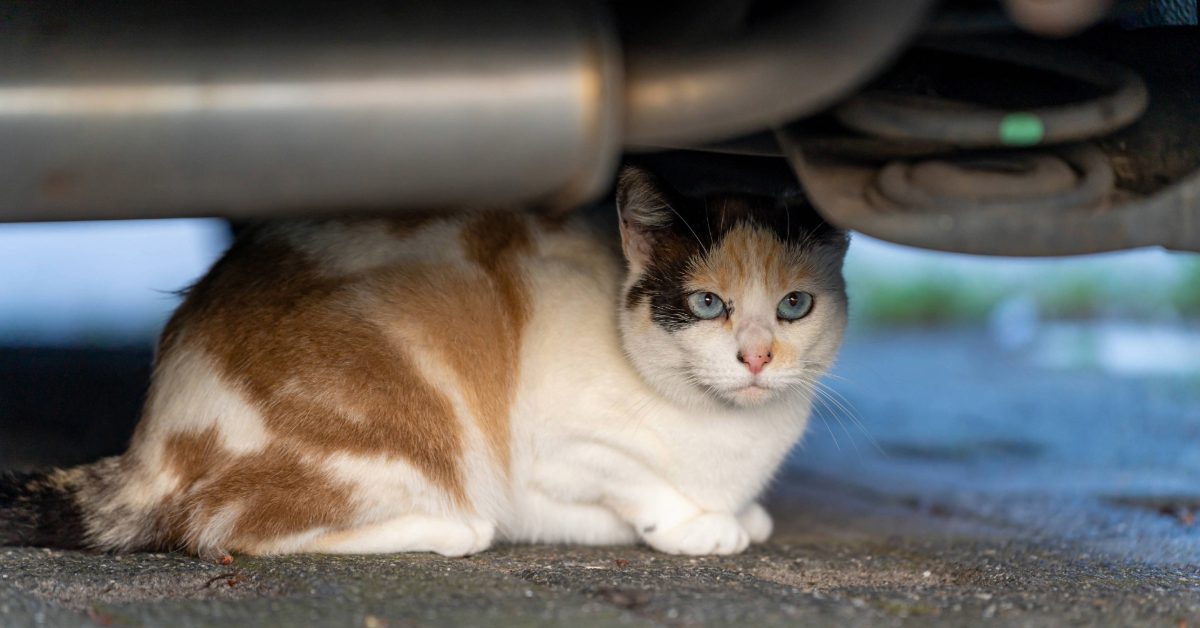
Antifreeze poisoning in cats is a medical emergency that unfolds quickly, often before anyone realizes something is wrong. A cat may step through a small spill in a garage or driveway, lick residue from their paws during routine grooming, and ingest a substance that can cause severe internal damage within hours. This is one of…
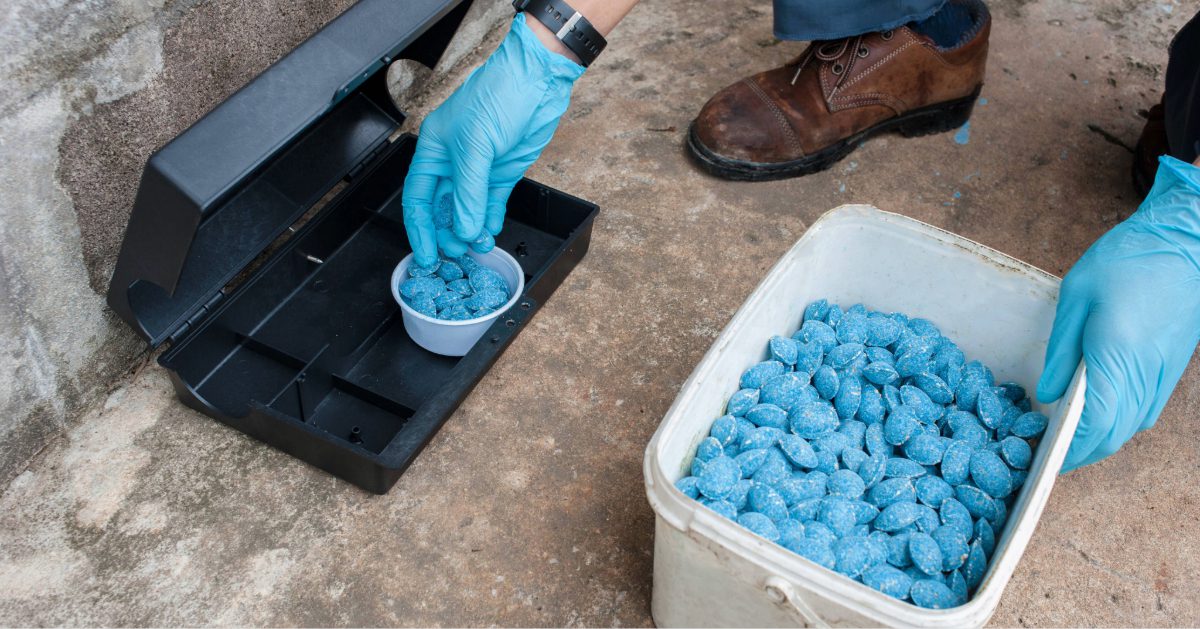
If your dog ate rat poison, the situation can change from calm to frightening in minutes. Many rodenticides are designed to kill quietly and efficiently, which makes them especially dangerous for dogs who may show few signs at first. This scenario represents a time-sensitive exposure that requires fast, informed action. Knowing what steps to take…
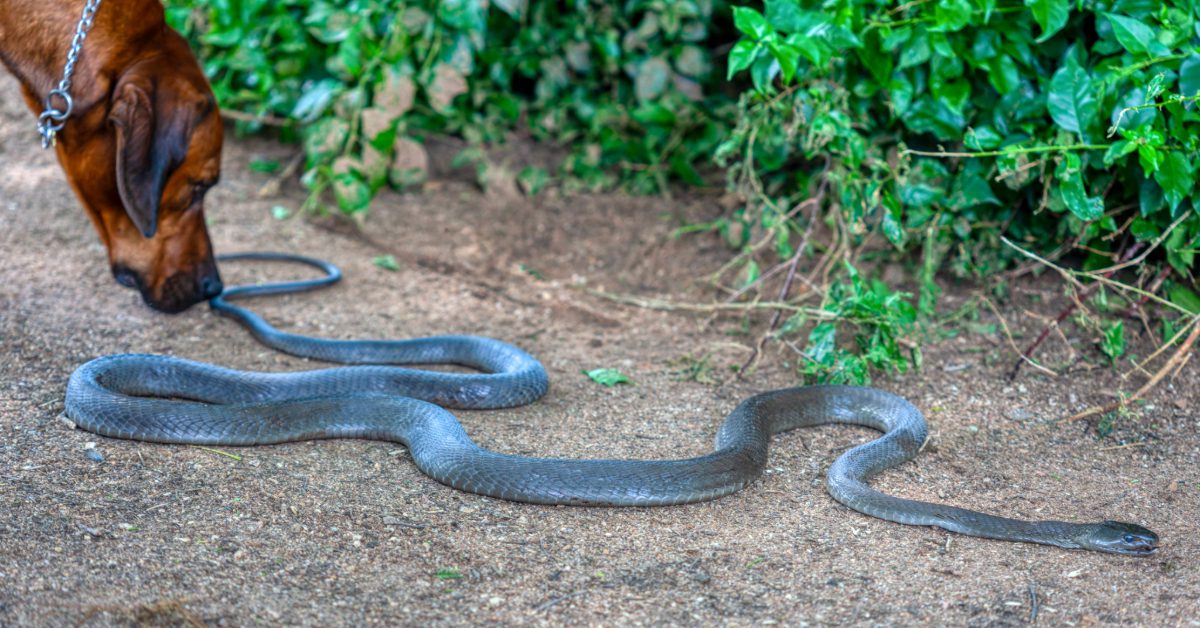
A dog snake bite timeline describes how a dog’s body may respond in the minutes, hours, and days after a snake bite, and why timing matters so much. One moment, a dog may be exploring the yard or trail, and the next, they let out a yelp. Swelling starts, pain sets in, or behavior suddenly…
A splenectomy in dogs is a surgical procedure that removes the spleen, often recommended when this organ becomes damaged, diseased, or dangerous to leave in place. We know that hearing the word “surgery” can stop you in your tracks. Many families first learn about the spleen during an emergency visit or advanced imaging appointment, when…
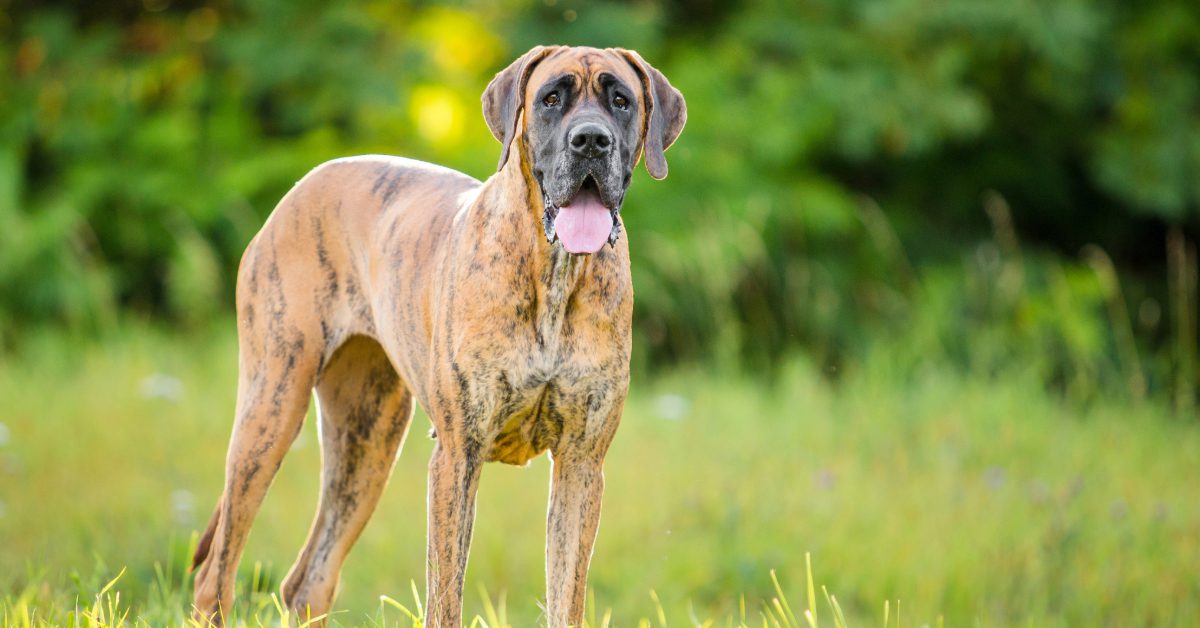
Bloat is one of those words that makes many dog owners pause, especially if they share their lives with a large or deep-chested breed. Bloat can escalate quickly, often without much warning, and the outcomes can be serious. Gastropexy is one of the most effective tools we have to reduce the risk of life-threatening complications…

Liver shunts in dogs raise one of the most common and difficult questions we hear from pet owners: does my dog need surgery? In simple terms, a liver shunt is an abnormal blood vessel that allows blood to bypass the liver instead of flowing through it as it should. Because the liver plays a central…

By Brittany Schlesener, DACVO As our dogs grow older, their needs change, which includes the way we care for their eyes. Senior dogs can develop age-related eye conditions that can affect comfort, vision, and quality of life. But the good news is that with regular monitoring and proactive veterinary care, many of these issues can…
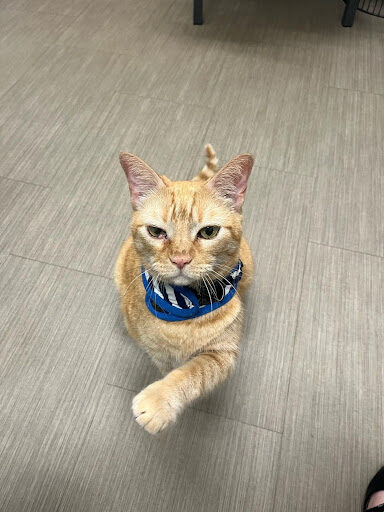
By Brittany Schlesener, DACVO Cats are masters of disguise (like the kitty above) when it comes to illness, and eye problems are no exception. But subtle changes, such as watery eyes, squinting, or eye color changes, can point to serious conditions that need veterinary care. Common Cat Eye Problems Signs Cat Owners Shouldn’t Ignore Diagnosis…

By Brittany Schlesener, DACVO Short skull animal, or “brachycephalic,” breeds like Pugs, Boston Terriers, French Bulldogs, Shih Tzus, and Persian cats are beloved for their big, soulful eyes. But those same adorable features come with unique health challenges. Their eyes are more exposed and vulnerable to injury and disease. Why Brachycephalic Dog Breeds Are at…
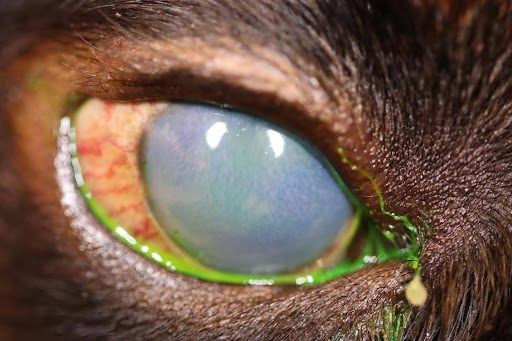
By Brittany Schlesener, DACVO Glaucoma is one of the most painful and vision-threatening eye diseases seen in dogs and cats. It happens when fluid builds up inside the eye, raising pressure to dangerous levels. Left untreated, glaucoma can cause irreversible blindness in just hours to days. Recognizing the signs early can make a life-changing difference…