

A wide range of abnormal growths can develop in dogs, from harmless fatty masses to aggressive cancers that require prompt evaluation. These types of dog tumors may appear on the skin, beneath the surface, or internally, and they often vary in how quickly they grow and how they affect a dog’s health. Some are discovered by chance during a routine exam, while others become noticeable after a change in movement, appetite, or behavior. Because appearances alone rarely tell the full story, understanding what different tumors may indicate helps pet owners know when further evaluation is warranted. Below, you’ll find common tumor types in dogs, the signs veterinarians watch for, how diagnosis works, and what typically happens after a tumor is identified.
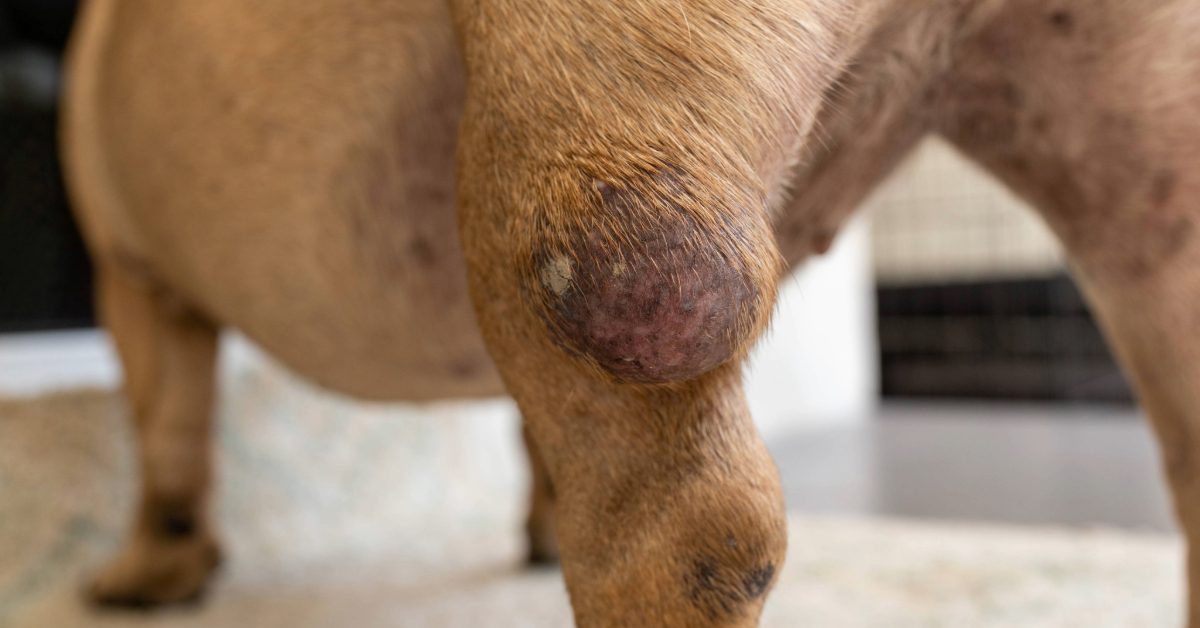
Common Types of Dog Tumors
When veterinarians talk about the types of dog tumors, we generally categorize them as benign or malignant, though that distinction is not always obvious without testing. Benign tumors tend to grow slowly and remain localized, while malignant tumors can invade surrounding tissue or spread to other parts of the body. Understanding this distinction helps guide diagnostics and treatment planning, but it starts with knowing the most commonly seen tumor types in dogs. Some tumors are associated with age, breed, or environmental factors, while others develop without an obvious cause.
Commonly diagnosed types of dog tumors include both skin-based and internal masses. Skin tumors are often the most noticeable because they can be seen or felt during routine handling, whereas internal tumors may remain hidden until they begin affecting normal body functions. This is why regular veterinary visits and at-home observation remain so important throughout a dog’s life.
Examples of frequently seen dog tumors include:
- Lipomas, which are soft, fatty masses that are usually benign but can interfere with movement if they grow large
- Mast cell tumors, a variable and potentially aggressive skin cancer that requires prompt evaluation
- Soft tissue sarcomas, which arise from connective tissue and can appear deceptively slow-growing
- Mammary tumors, more common in unspayed female dogs and are malignant in 90% of feline cases
- Bone tumors, such as osteosarcoma, which often present with pain or limping rather than a visible mass
Each of these types of dog tumors behaves differently, which is why identification alone is not enough to determine next steps.
Benign vs. Malignant Tumors: What That Really Means
While “benign” often sounds reassuring, benign tumors can still cause problems depending on their size and location. A noncancerous mass pressing on organs, joints, or nerves may still require intervention. Malignant tumors, on the other hand, are defined by their ability to invade nearby tissues or spread elsewhere in the body. Distinguishing between the two almost always requires diagnostic testing rather than visual assessment alone.
Signs and Symptoms of Tumors in Dogs
The signs associated with different types of dog tumors can vary widely, which is why changes that seem minor at first can still warrant attention. Some dogs show obvious external changes, while others display vague symptoms that develop gradually over time. Pet owners often describe a feeling that their dog is “not quite themselves,” even before a clear physical sign appears. These observations are valuable and should always be shared with a veterinary team.
External tumors may appear as lumps, bumps, or sores that do not heal. Internal tumors can cause symptoms related to the affected organ system, such as digestive upset, breathing changes, or mobility issues. In many cases, tumors are discovered incidentally during an exam for an unrelated concern, underscoring the importance of thorough physical evaluations.
Signs that may be associated with dog tumors include:
- New or growing lumps anywhere on the body
- Swelling that persists or increases over time
- Unexplained weight loss or decreased appetite
- Lethargy or reduced interest in normal activities
- Persistent lameness, stiffness, or pain
- Changes in breathing, urination, or bowel habits
Not every lump or symptom indicates cancer, but patterns and progression matter. Tracking when a change started and how it has evolved can provide helpful context during a veterinary visit.
How Dog Tumor Types Are Diagnosed
Diagnosing the specific types of dog tumors involves more than a visual exam, even for masses located on the skin. The diagnostic process is designed to identify what the tumor is, how it may behave, and whether it has affected other parts of the body. This step-by-step approach allows veterinarians to recommend next steps with greater confidence and clarity.
Initial diagnostics often begin with a physical exam and a review of your dog’s medical history. From there, minimally invasive tests may be recommended to gather more information about the mass. Advanced imaging and laboratory testing help determine the tumor’s origin and extent, especially when internal involvement is suspected.
Common diagnostic tools used to evaluate dog tumors include:
- Fine needle aspiration (FNA) to collect cells from a mass for microscopic evaluation
- Biopsy, which provides a tissue sample for more definitive analysis
- Bloodwork to assess overall health and organ function
- Imaging, such as X-rays, ultrasound, CT, or MRI, to evaluate internal structures and possible spread
At specialty and emergency centers like Fetch, these diagnostics are often coordinated by a team that includes emergency clinicians, surgeons, and diagnostic imaging specialists. This collaborative approach helps ensure that important details are not overlooked.
Why Advanced Diagnostics Are Necessary
Different types of dog tumors can look similar on the surface while behaving very differently at a cellular level. Advanced diagnostics reduce uncertainty and help avoid assumptions that could delay appropriate care. Clear answers also allow pet owners to make informed decisions with a full understanding of the situation.
Next Steps and Treatment Options for Dog Tumors
Once a diagnosis is established, the conversation naturally turns to next steps. Treatment options for the various types of dog tumors depend on multiple factors, including tumor type, location, stage, and the dog’s overall health. In some cases, monitoring may be appropriate, while in others, more immediate intervention is recommended. The goal is always to balance medical needs with quality of life.
Treatment plans may involve one approach or a combination of therapies. Surgical removal is commonly recommended for localized tumors when feasible, while chemotherapy or radiation therapy may be considered for certain malignant tumors. Supportive care also plays an important role, especially for dogs undergoing more intensive treatments.
General treatment pathways for dog tumors may include:
- Surgical removal of the mass when appropriate
- Medical oncology services, such as chemotherapy protocols
- Radiation therapy for tumors in challenging locations
- Ongoing monitoring and follow-up imaging
- Supportive measures focused on comfort and daily routines
At home, pet owners are often advised to focus on observation, maintaining normal routines, and noting any changes in behavior or appetite.
Moving Forward With Hope
Learning that your dog may have a tumor can feel overwhelming, but understanding the types of dog tumors, how they are diagnosed, and what comes next brings structure to an otherwise stressful experience. Clear information allows pet owners to move from fear to informed decision-making. At Fetch Specialty & Emergency Veterinary Centers, our teams focus on guiding families through each stage with transparency and advanced medical capabilities. If you notice a new lump, an unexplained change, or have concerns about your dog’s health, calling to schedule an evaluation is an important first step toward answers and direction.
About Us
Fetch Specialty & Emergency Veterinary Centers is a family-owned practice providing elevated specialty care, emergency medicine, and critical care in three convenient locations throughout Florida and South Carolina. Our board-certified veterinarians and highly skilled support staff all share a deep appreciation for pets, people, and the human-animal bond. We recognize how much you love your pet as a part of your family, and that’s why we love what we do!