

What to Expect with Radiation Therapy
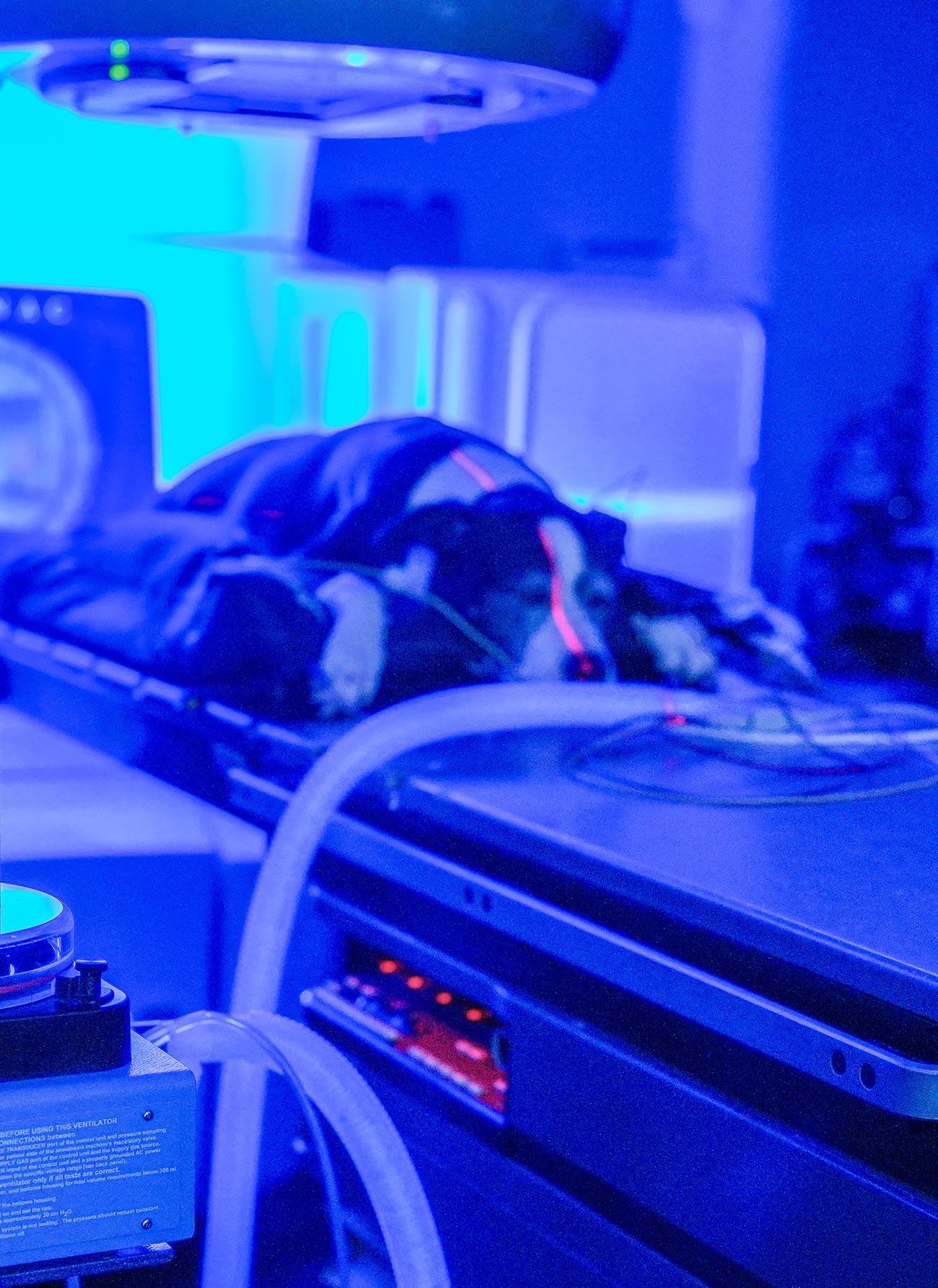
We administer radiation therapy using a linear accelerator, which delivers ionizing radiation to the malignant cells to stop them from growing and multiplying. This treatment mainly affects cancer cells, but it can also affect normal, healthy cells in your pet’s body. To combat this, we might spread out your pet’s radiation treatments over a series of consecutive appointments. Appointments last about 15-30 minutes each, and pets are typically allowed to go home that same day.
The success of your pet’s radiation therapy may vary based on these factors:
The size and location of the cancer
Your pet’s overall health
The type of cancer being treated
Radiation therapy may result in side effects occurring about halfway through the prescribed dose, and last for up to 3 weeks. At Fetch, we provide topical and oral medications to help minimize any effects on your pet’s quality of life. If you are interested in radiation therapy for your pet, please contact us and we can determine if they will benefit from this procedure, and answer any questions or concerns you may have.
Radiation Therapy Services
We offer several forms of radiation therapy based on the individual needs of each patient.
Plesiotherapy is a localized form of radiation where the dose of radiation delivered depends on the interval of time during which the applicator is in contact with the skin. We use a Strontium 90 for this procedure, which has been proven successful in treating small superficial lesions in dogs and cats.
Stereotactic Radiotherapy (SRT) uses high-powered forms of energy on a focused area of the body. It can be used to remove tumors that cannot be successfully removed with surgery, as well as nasal and bone tumors. SRT uses a high dose of radiation to specifically target the tumor without damaging the surrounding healthy tissue. This procedure can provide rapid tumor shrinkage, lasting disease control, and reduce tumor-related pain with little to no discomfort for your pet.
Stereotactic radiosurgery (SRS) is not technically surgery. It’s a precise, minimally invasive technique that uses high doses of radiation to treat tumors of the brain and pituitary glands while sparing the surrounding tissues from radiation damage. Treatment may be completed in one session, or require multiple sessions to ensure the best outcome for the patient. SRS does not remove tumors but damages their DNA and prevents the tumor cells from reproducing.
Targeted therapy specifically attacks a certain target on cancer cells and does less damage to the normal cells in the body. This treatment can be used on its own, or in conjunction with surgery, chemotherapy, and radiation therapy. There are a range of targeted therapy choices available to treat pets, but the two main groups include monoclonal antibodies and small molecule inhibitors such as Palladia. Palladia is approved for use in dogs with grade II or III recurrent cutaneous mast cell cancer, with or without regional lymph node involvement, as well as for treating various other tumors in both dogs and cats. It can result in side effects such as loss of appetite, nausea/vomiting, diarrhea, low white blood cell counts and protein loss through the kidneys.
IMRT, or intensity-modulated radiation therapy, is an advanced form of radiation therapy that targets tumors with small doses of high-energy X-rays. This is a more targeted technique in which the radiation dose is increased at the tumor site and decreased around healthy tissue. This treatment is carefully tailored to the needs of the patient and performed over multiple sessions.
The goal of palliative radiation therapy is to improve a cancer patient’s quality of life as much as possible when long-term cancer management isn’t an option and the patient has a life expectancy of one year or less. This therapy aids in relieving cancer symptoms such as pain, bleeding, and obstruction. Palliative radiation therapy involves providing large doses of radiation over the course of several weeks. Side effects are minimal, with the most common being reddening and flaking of the skin where radiation is applied.

"Dr. Byrne is great! She is treating our Haley for lymphoma and we are very impressed with her knowledge, caring, compassion, and “bedside” manner. She has spent as much time as we needed, and wanted, in helping us understand Haley’s treatments and care plan. The entire staff have been so kind and caring to deal with."
Don B. | Fetch Client