

Uncategorized
Cat Kidney Disease Symptoms: What to Look For
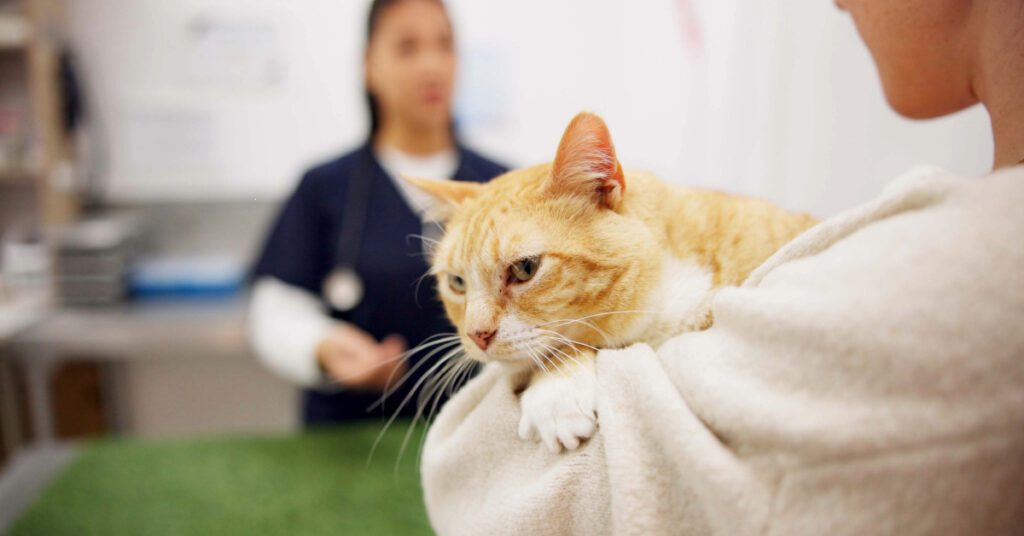
Cat kidney disease symptoms are the signs that your cat’s kidneys, which are the organs responsible for filtering waste, regulating hydration, and maintaining overall balance in the body, are no longer functioning the way they should. The challenge is that these symptoms often develop so gradually that they’re easy to write off as normal aging:…
Read MoreMy Dog Is Limping on Its Back Leg but Not in Pain. Should I See the Vet?

If your dog is limping on its back leg but doesn’t seem to be in pain, meaning they are still eating, still wagging, still asking for belly rubs, it’s easy to wonder whether a vet visit is really necessary. The answer is yes, even when your dog seems comfortable. A dog limping on its back…
Read MoreDog Yeast Infection: Symptoms and Treatment

You’ve bathed your dog, cleaned their ears, and still the smell is back, the scratching hasn’t stopped, and their skin looks worse than ever. If this sounds familiar, you’re not alone, and you’re probably not dealing with a simple hygiene problem. A dog yeast infection happens when yeast that normally lives on your dog’s skin…
Read MoreWhy Is My Dog Coughing Like Something Is Stuck in Its Throat?

When a dog coughs like something is stuck in its throat, it’s usually a sign that something is irritating or obstructing the airway or upper respiratory tract and the cause can range from a common infection to a genuine emergency. That distinctive hacking, honking, or gagging sound is hard to ignore, and it shouldn’t be.…
Read MoreMy Dog Has Diarrhea but Is Acting Fine. Is This Normal?

Your dog has diarrhea, but they’re still wagging their tail, eating their food, and acting completely like themselves, so is this something to worry about? Yes, it’s often normal for a dog to have diarrhea while acting completely fine. In many cases, it’s simply a sign of mild digestive upset that resolves on its own.…
Read MoreCat Not Eating: When to See the Vet

A cat not eating is one of the most common concerns that brings pet owners to the vet and for good reason. While a cat skipping a meal occasionally isn’t always cause for immediate alarm, a cat that stops eating entirely or shows a prolonged loss of appetite is a serious concern that needs veterinary…
Read MoreWhy E-Collars Are Essential for Pets with Eye Problems

By Brittany Schlesener, DACVO / April 1, 2026 Introduction If your pet has ever been sent home with an Elizabethan collar (E-collar), also known as the “cone of shame,” you know it’s not always their favorite accessory. But when it comes to eye problems, an E-collar isn’t optional—it’s often one of the most important parts…
Read MoreOsteosarcoma in Dogs: Your Questions Answered

Osteosarcoma in dogs is an aggressive bone cancer that develops from cells responsible for normal bone growth and repair. It most commonly affects the limbs and is diagnosed more frequently in large and giant breed dogs, though it can occur in any breed or size. This cancer is known for causing significant pain and for…
Read MoreCat Lymphoma: Symptoms & Outlook
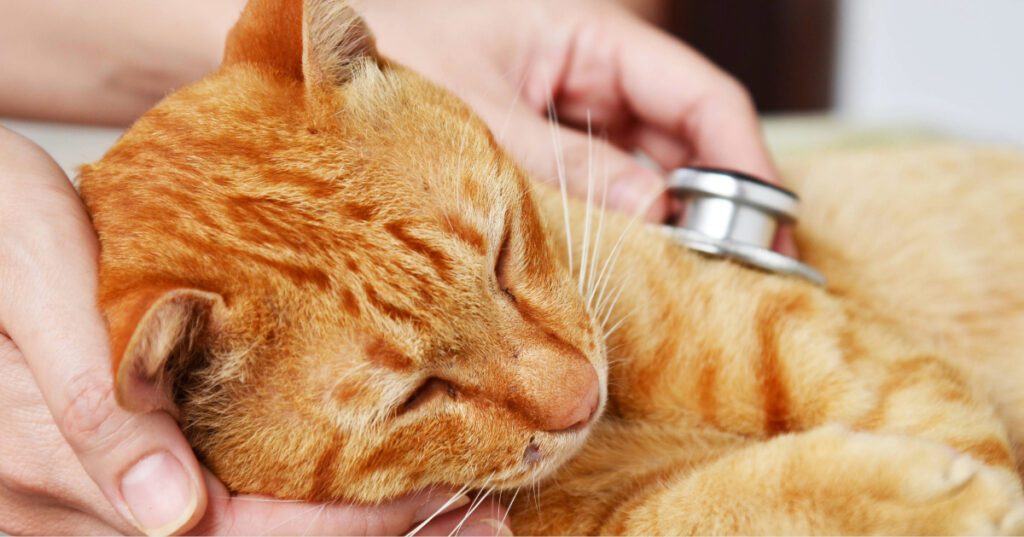
Some diagnoses arrive suddenly, while others take shape slowly, over weeks or months of small, easy-to-dismiss changes. Cat lymphoma often falls into the second category. A cat may eat a little less, lose weight gradually, or seem “off” without appearing truly ill. Lymphoma is not a single disease but a group of cancers that affect…
Read MoreTypes of Dog Tumors: Signs, Diagnosis, and Next Steps
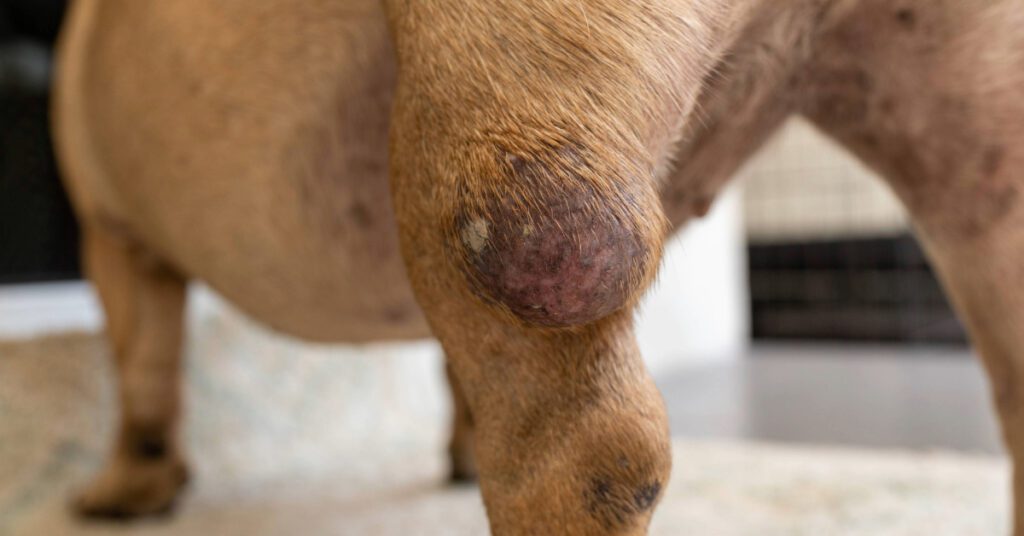
A wide range of abnormal growths can develop in dogs, from harmless fatty masses to aggressive cancers that require prompt evaluation. These types of dog tumors may appear on the skin, beneath the surface, or internally, and they often vary in how quickly they grow and how they affect a dog’s health. Some are discovered…
Read More