

Your dog has diarrhea, but they’re still wagging their tail, eating their food, and acting completely like themselves, so is this something to worry about? Yes, it’s often normal for a dog to have diarrhea while acting completely fine. In many cases, it’s simply a sign of mild digestive upset that resolves on its own. That said, “acting normal” doesn’t always mean everything is fine on the inside, and knowing what to watch for can make a real difference in your dog’s health.
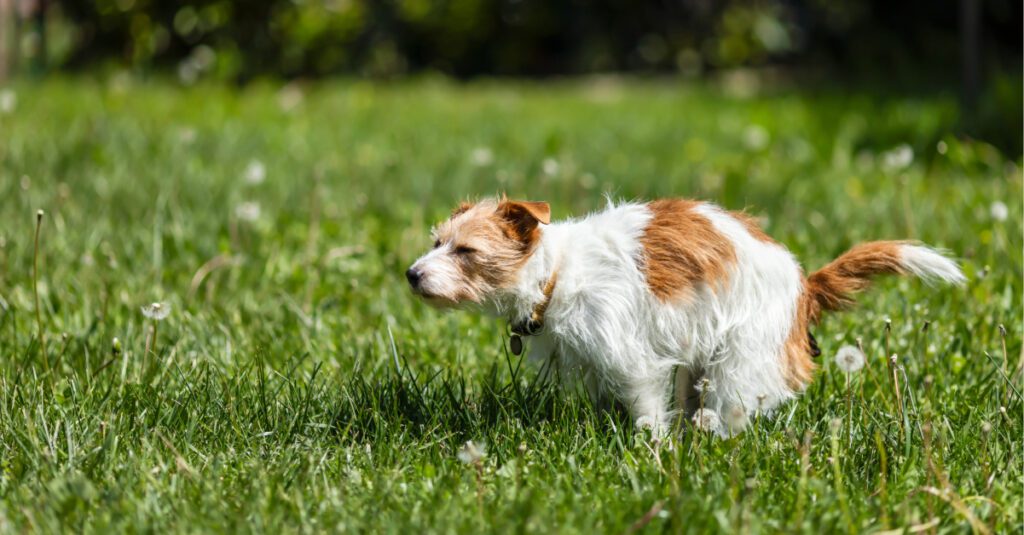
Why Is My Dog Having Diarrhea but Acting Normal?
Dogs get diarrhea for many of the same reasons people do such as a sudden diet change, eating something they shouldn’t have, or a mild stress response. When your dog has diarrhea but is acting fine, the cause is frequently benign.
Common Reasons Dogs Get Diarrhea Without Seeming Sick
Some of the most frequent triggers behind loose stools in otherwise healthy dogs include:
- Dietary indiscretion: eating table scraps, garbage, or unfamiliar foods
- Abrupt food transitions: switching kibble brands too quickly
- Mild stress: boarding, travel, new pets, or household changes
- Intestinal parasites: worms or giardia don’t always cause obvious symptoms right away
- Food sensitivities: ongoing reactions to specific ingredients
Even when your dog seems totally normal, it’s worth paying attention to how long the loose stools last and whether any other symptoms develop.
How Long Can a Dog Have Diarrhea Before It Becomes a Concern?
A single episode or a day of loose stools in an otherwise healthy, active dog is usually not cause for alarm. But if your dog has diarrhea but is acting fine for more than 24 to 48 hours, the situation warrants a closer look.
What to Monitor at Home
While you’re watching and waiting, keep an eye on the following:
- Frequency: How many times is your dog going? Multiple times per hour is a red flag.
- Consistency and color: Watery, black, tarry, or bloody stools are always concerning.
- Appetite and energy: A dog that’s eating well and stays active is a better sign than one who starts refusing food or becomes lethargic.
- Hydration: Check for signs of dehydration, like dry gums or skin that doesn’t spring back when gently pinched.
Diarrhea that’s been going on for more than two days, even in a dog that seems fine, can lead to dehydration and may indicate an underlying problem that needs veterinary attention.
Can a Dog Have Diarrhea but Act Normal with Something Serious Going On?
Yes, and this is exactly why the phrase “acting fine” can be misleading. Dogs are resilient animals that often don’t show outward signs of pain or illness until a condition has progressed. A dog acting normal with diarrhea doesn’t rule out intestinal parasites, a developing infection, early inflammatory bowel disease, or other gastrointestinal conditions.
This is particularly true for:
- Young puppies, whose immune systems aren’t fully developed
- Senior dogs, who may have reduced reserves to handle even mild illness
- Dogs with pre-existing health conditions, such as liver or kidney disease
- Intact or recently adopted dogs, who may carry parasites or infections without showing signs
If your dog has diarrhea but seems fine and you’re unsure whether it’s serious, it’s always better to call a veterinary professional and get guidance specific to your dog.
Is It Normal for a Dog to Have Diarrhea Without Other Symptoms?
It’s actually fairly common for dogs to have loose stools without vomiting, lethargy, or other obvious signs. This is often referred to as “large bowel diarrhea”, meaning loose, sometimes mucus-streaked stools caused by irritation in the colon. Dogs with this type of diarrhea typically strain to go but are otherwise energetic and eating normally.
“Small bowel diarrhea,” on the other hand, tends to produce larger volumes of watery stool and is more likely to cause fatigue and weight loss over time.
Neither type should be ignored indefinitely. If your dog keeps having diarrhea but acts fine over several days, a fecal test and a veterinary exam can identify whether parasites, bacteria, or a dietary issue is driving the problem.
When Should You Take Your Dog to the Vet for Diarrhea?
While mild, short-lived diarrhea in an otherwise healthy dog can often resolve on its own, certain signs mean you should contact a vet right away or head to an emergency clinic if your regular vet is unavailable.
Take your dog to the vet if:
- Diarrhea lasts more than 48 hours
- You see blood in the stool, looking red, black, or tarry
- Your dog starts vomiting alongside the diarrhea
- Your dog becomes lethargic, stops eating, or seems painful
- Your dog is a puppy, a senior, or has a known health condition
- You suspect your dog ate something toxic
At Fetch Specialty & Emergency Veterinary Centers, our team is equipped to evaluate and treat dogs experiencing gastrointestinal issues of all kinds, from simple dietary upsets to more complex conditions requiring diagnostics and specialist care.
What Happens at the Vet When a Dog Has Diarrhea?
If you bring your dog in for diarrhea, your veterinarian will start with a thorough physical exam and a review of your dog’s recent diet, environment, and history. Depending on what they find, they may recommend:
- Fecal testing to check for intestinal parasites like roundworms, hookworms, or giardia
- Blood work to assess organ function and rule out systemic causes
- X-rays or ultrasound if there’s concern about a foreign body or intestinal obstruction
- Dietary recommendations to support digestive recovery
Treatment will be tailored to the underlying cause. A dog that has diarrhea but is acting fine may simply need a temporary diet adjustment and a dewormer, but you won’t know for certain without a proper evaluation.
My Dog Has Diarrhea but Seems Fine — Here’s What to Do Next
If your dog has diarrhea but is acting fine today, start by noting when it began, what your dog has eaten recently, and how many times they’ve gone. Monitor closely over the next 24 hours for any changes in energy, appetite, or stool appearance.
If things improve, great. If they don’t or if you notice any of the warning signs above, reach out to your veterinarian. Our team at Fetch Specialty & Emergency Veterinary Centers is available to help you determine whether your dog’s symptoms need same-day attention or can wait for a routine appointment. You know your dog best. When something seems off, even if they’re wagging their tail, trust your instincts and make the call.
About Us
Fetch Specialty & Emergency Veterinary Centers is a family-owned practice providing elevated specialty care, emergency medicine, and critical care in three convenient locations throughout Florida and South Carolina. Our board-certified veterinarians and highly skilled support staff all share a deep appreciation for pets, people, and the human-animal bond. We recognize how much you love your pet as a part of your family, and that’s why we love what we do!